Running a small business in South Africa comes with both rewards and challenges. One of the more complex aspects is taxation. Many business owners often pay more tax than necessary, simply because they are unaware of the deductions they can claim. The South African Revenue Service (SARS) provides a range of allowable deductions that can significantly reduce your taxable income, but to take advantage of them, you need to know what they are and how to record them properly.
In this article, we will explore the most common small business tax deductions South Africa offers and provide practical examples to help you apply them correctly.

Business Operating Expenses
Everyday costs incurred in the running of your business can often be deducted. These include:
- Rent or office space: Whether you lease an office or run your business from a shared workspace, the rent is fully deductible.
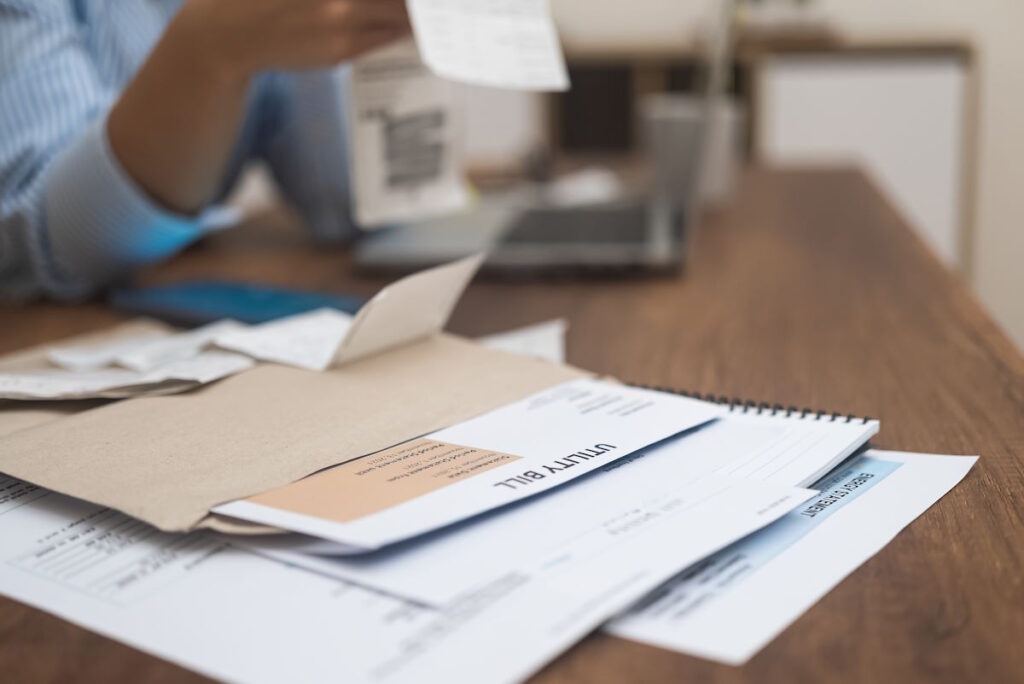
- Utilities: Water, electricity, internet, and phone bills linked to your business operations are eligible.
- Office supplies: Stationery, printer ink, and consumables can be claimed if used for business purposes.
Example: If your business spends R6,000 a month on rent and R2,500 on utilities, that R102,000 per year may be deducted from taxable income.
Home Office Deductions
If you operate your business from home, a portion of your household expenses can be claimed. To qualify, SARS requires that the space be used exclusively for business.
Deductions may include:
- A percentage of rent or bond repayments.
- Proportional electricity and water costs.
- Cleaning costs and repairs for the office space.
The percentage is calculated based on the floor space used for business compared to the total size of the home.
Example: If your home is 120 square metres and your office is 12 square metres, you may claim 10% of household expenses.

Vehicle and Travel Expenses
Many small business owners use their vehicles for both personal and professional purposes. SARS allows you to deduct the business portion of vehicle costs, provided you keep an accurate logbook.
Deductible expenses may include:
- Fuel
- Repairs and maintenance
- Insurance premiums
- Licence fees and depreciation
If your vehicle use is 70% business-related, then 70% of the total running costs may be claimed.
Example: Annual fuel and maintenance costs of R50,000 could result in a deduction of R35,000 if 70% of travel was for business purposes.
Employee Salaries and Wages
Payments made to employees, including salaries, bonuses, and wages, are deductible business expenses. Contributions to pension funds, medical aid, and unemployment insurance (UIF) are also allowable deductions.
If you are self-employed and pay yourself a salary, that salary is not deductible in the same way, but any payments made to staff members are.

Professional Services and Fees
Small businesses often rely on professionals such as accountants, bookkeepers, consultants, or legal advisors. The fees you pay for these services are deductible, provided they are directly related to the business.
Example: If you pay R20,000 annually for accounting services to ensure compliance with SARS, this amount can be deducted.
Marketing and Advertising
Expenses spent on promoting your business also qualify. These can include:
- Digital advertising on platforms like Google or Facebook.
- Traditional media such as newspaper, radio, or flyers.
- Website development, domain registration, and hosting fees.
Since marketing is essential for growth, claiming back these costs helps reduce your taxable income while supporting your brand visibility.

Training and Development
SARS recognises the importance of skills development and allows deductions for training expenses. Courses, workshops, and certifications that improve your or your employees’ skills are deductible.
Example: Paying for a digital marketing course for your staff may qualify as a deductible training expense.
Depreciation on Assets
When you purchase business assets such as machinery, computers, or furniture, you may deduct their depreciation over time. SARS allows for wear-and-tear claims on assets used in the business, ensuring you benefit from tax relief as equipment loses value.

Bad Debts
If a client fails to pay an invoice and you have taken reasonable steps to recover the debt, you may write it off as a bad debt. This prevents you from being taxed on income you never actually received.
Donations to Approved Public Benefit Organisations
Charitable donations to SARS-approved organisations are tax-deductible, up to a certain percentage of taxable income. Not only does this support a good cause, but it also reduces your tax liability.
Keeping Proper Records
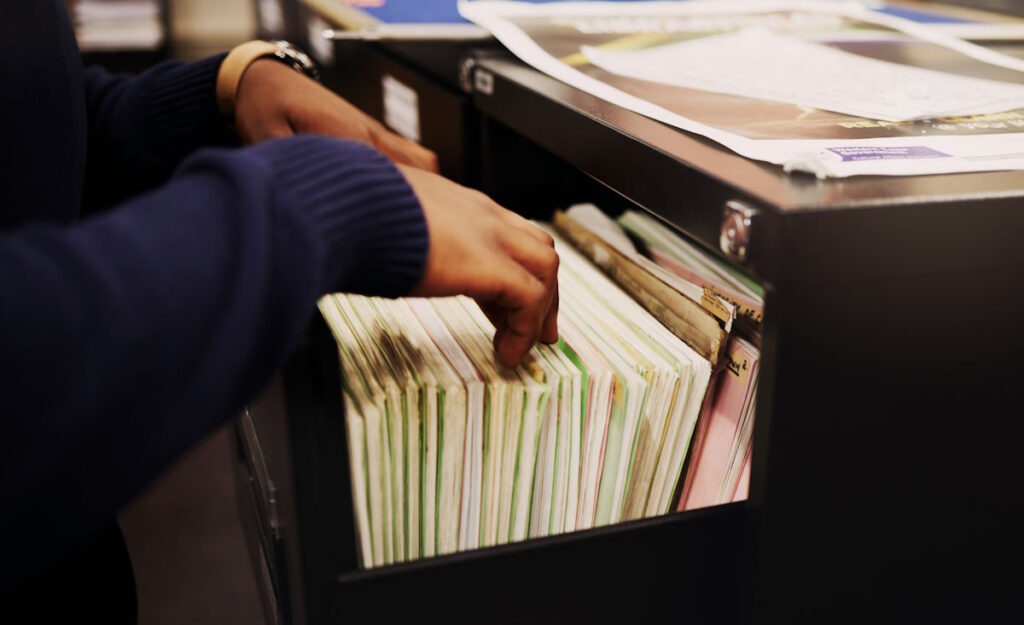
To claim these small business tax deductions South Africa allows, accurate record-keeping is essential. Keep invoices, receipts, contracts, and logbooks for at least five years, as SARS may request evidence during an audit.
Investing in reliable bookkeeping software or partnering with a professional service provider such as CA Bookkeeping & Accounting Services ensures you stay compliant while maximising deductions.

Final Thoughts
For small business owners, every rand counts. By understanding and making use of small business tax deductions South Africa provides, you can reduce your taxable income, free up cash flow, and reinvest in growth. The key is to stay organised, keep detailed records, and seek professional advice when in doubt.
At CA Bookkeeping & Accounting Services, we assist businesses in identifying allowable deductions and ensuring compliance with SARS requirements. Whether you are a sole proprietor or running a growing company, our expertise can help you save money and focus on what matters most – building your business.